How a Gastroenterologist Treats Gastric Problems
- DLC Care
- Apr 25
- 4 min read

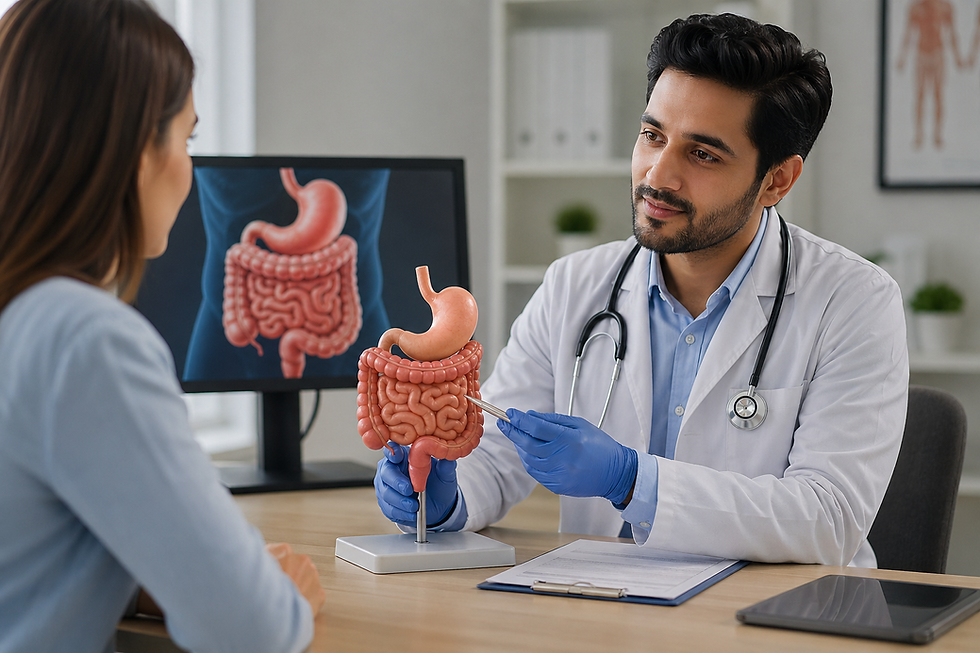
Gastric problems are among the most common health concerns affecting people of all ages, often disrupting daily life with symptoms like pain, bloating, acidity, and discomfort. These issues can arise from dietary habits, stress, infections, or underlying medical conditions. A Gastroenterologist is a specialist trained to diagnose and treat disorders related to the digestive system, ensuring that patients receive accurate care tailored to their condition. Understanding how these experts approach gastric problems can help individuals seek timely treatment and maintain better digestive health.
Understanding Gastric Problems
Gastric problems refer to a range of conditions that affect the stomach and digestive tract. Common examples include gastritis, acid reflux, peptic ulcers, and indigestion. While these conditions may seem minor at first, persistent symptoms can indicate more serious underlying issues.
The digestive system is highly sensitive, and even small imbalances can lead to noticeable discomfort. Gastric problems may be acute (short-term) or chronic (long-lasting), depending on their cause and severity. Identifying the root cause is essential for effective treatment, which is why professional evaluation plays a crucial role.
Common Symptoms of Gastric Issues
Recognizing the symptoms early can help prevent complications. Gastric problems often present with a variety of signs that may vary from person to person.
Burning sensation in the chest or stomach (heartburn)
Bloating and excessive gas
Nausea or vomiting
Loss of appetite
Abdominal pain or cramps
Frequent burping or acid regurgitation
Indigestion after meals
These symptoms may occur occasionally due to dietary triggers, but if they persist, medical attention becomes necessary.
Diagnosis: The First Step to Treatment
Before starting treatment, a specialist conducts a thorough diagnosis to understand the exact cause of the problem. This process typically begins with a detailed medical history and physical examination.
Doctors often ask about dietary habits, lifestyle, stress levels, and any medications being taken. Based on the initial evaluation, they may recommend diagnostic tests such as blood tests, stool analysis, endoscopy, or imaging studies.
An endoscopy is one of the most common procedures used to examine the stomach lining directly. It helps identify inflammation, ulcers, or infections like Helicobacter pylori, which is a common cause of gastric issues.
Accurate diagnosis ensures that the treatment plan is targeted and effective rather than generalized.
Treatment Approaches for Gastric Problems
Treatment of gastric problems depends on the underlying cause, severity, and patient’s overall health. Specialists use a combination of medical therapies and lifestyle recommendations to achieve the best results.
1. Medications
Medications are often the first line of treatment. These may include antacids, proton pump inhibitors (PPIs), H2 blockers, or antibiotics if an infection is present.
Antacids provide quick relief by neutralizing stomach acid, while PPIs reduce acid production, allowing the stomach lining to heal. Antibiotics are prescribed when bacterial infections are detected.
2. Dietary Modifications
Diet plays a significant role in managing gastric problems. Patients are usually advised to avoid spicy, oily, and acidic foods that can irritate the stomach lining.
A balanced diet with fiber-rich foods, lean proteins, and adequate hydration helps improve digestion and reduce symptoms. Eating smaller, frequent meals instead of large portions can also prevent discomfort.
3. Lifestyle Changes
Lifestyle adjustments are crucial for long-term relief. Stress management, regular exercise, and proper sleep contribute to better digestive health.
Avoiding habits like smoking and excessive alcohol consumption is strongly recommended, as these can worsen gastric conditions.
4. Treatment of Underlying Conditions
In some cases, gastric problems are linked to other health issues such as infections, hormonal imbalances, or chronic diseases. Treating these underlying conditions is essential for complete recovery.
For example, eradicating H. pylori infection can significantly reduce the risk of ulcers and recurring gastritis.
Importance of Personalized Care
Every patient is different, and gastric problems do not follow a one-size-fits-all pattern. Specialists tailor treatment plans based on individual needs, considering factors such as age, medical history, and severity of symptoms.
Personalized care ensures better outcomes and minimizes the risk of complications. Regular follow-ups are also important to monitor progress and adjust treatment if needed.
Preventing Gastric Problems
Prevention is always better than cure, especially when it comes to digestive health. Simple daily habits can go a long way in avoiding gastric issues.
Maintaining a healthy lifestyle, eating a balanced diet, and staying hydrated are key preventive measures. Managing stress through relaxation techniques like meditation or yoga can also help keep the digestive system functioning smoothly.
Additionally, avoiding overeating and limiting the intake of processed foods can reduce the chances of developing gastric problems.
When to See a Specialist
While occasional stomach discomfort is common, certain warning signs should not be ignored. Persistent pain, unexplained weight loss, difficulty swallowing, or blood in vomit or stool require immediate medical attention.
Early intervention not only provides relief but also prevents serious complications. Seeking professional care at the right time can make a significant difference in treatment outcomes.
Conclusion
Gastric problems can significantly impact quality of life if left untreated, but with proper diagnosis and care, they are highly manageable. From identifying the root cause to prescribing medications and recommending lifestyle changes, a specialist plays a vital role in restoring digestive health. By following medical advice and adopting healthier habits, individuals can prevent recurring issues and enjoy long-term well-being. Consulting a Gastroenterologist ensures that gastric problems are addressed effectively, leading to a healthier and more comfortable life.


Comments