Understanding Acid Reflux, GERD, and Heartburn

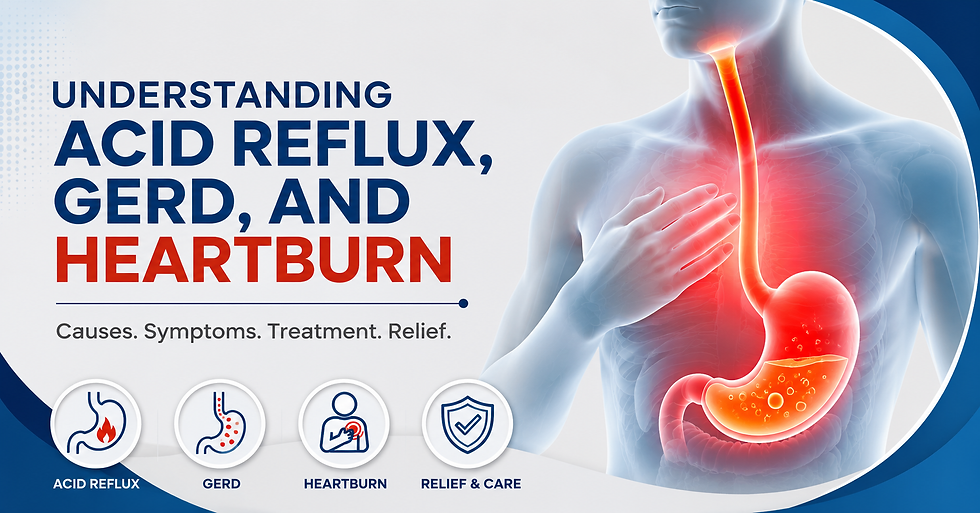
Digestive discomfort is one of the most common health concerns affecting people of all ages. Among these, acid reflux, gastroesophageal reflux disease (GERD), and heartburn are frequently experienced but often misunderstood. While many people use these terms interchangeably, they are not exactly the same. Understanding the differences, recognizing the symptoms, and seeking timely medical care can help prevent complications and improve your quality of life.
A gastroenterology specialist plays a key role in diagnosing and treating these conditions, ensuring that patients receive personalized care based on the underlying cause rather than just temporary symptom relief.
What Is Acid Reflux?
Acid reflux occurs when stomach acid flows backward into the esophagus, the tube that carries food from your mouth to your stomach. Normally, a muscular valve called the lower esophageal sphincter (LES) prevents stomach contents from moving upward. When this valve weakens or relaxes inappropriately, stomach acid escapes into the esophagus, causing irritation.
Occasional acid reflux is common and may occur after eating a large meal or consuming certain foods. However, frequent episodes require medical evaluation.
What Is Heartburn?
Heartburn is the burning sensation felt in the chest or throat due to acid reflux. Despite its name, heartburn has nothing to do with the heart. It usually develops after eating, especially when lying down or bending over.
Common symptoms include:
Burning sensation in the chest
Sour or bitter taste in the mouth
Regurgitation of food or acid
Discomfort after meals
Symptoms that worsen at night
Most people experience heartburn occasionally, but repeated episodes may indicate GERD.
What Is GERD?
Gastroesophageal Reflux Disease (GERD) is a chronic digestive condition in which acid reflux occurs frequently, usually more than twice a week, or causes damage to the lining of the esophagus.
GERD is more than occasional heartburn. Without proper treatment, it can lead to inflammation, ulcers, narrowing of the esophagus, and other complications.
Causes of Acid Reflux and GERD
Several factors contribute to acid reflux and GERD.
Weak Lower Esophageal Sphincter
A weakened or damaged LES allows stomach acid to move back into the esophagus.
Obesity
Excess body weight increases pressure on the stomach, making reflux more likely.
Eating Habits
Large meals, eating too quickly, or lying down immediately after eating can trigger reflux.
Certain Foods
Some foods relax the LES or increase acid production, including:
Spicy foods
Fried foods
Chocolate
Coffee
Tea
Carbonated beverages
Citrus fruits
Tomatoes
Peppermint
Smoking
Smoking weakens the LES and reduces saliva production, making reflux symptoms worse.
Alcohol
Alcohol irritates the digestive tract and relaxes the LES.
Pregnancy
Hormonal changes and increased abdominal pressure commonly cause reflux during pregnancy.
Hiatal Hernia
A hiatal hernia can interfere with the normal function of the LES, increasing the risk of GERD.
Common Symptoms
Symptoms vary from person to person.
Typical symptoms include:
Heartburn
Acid regurgitation
Sour taste in the mouth
Chest discomfort
Difficulty swallowing
Chronic cough
Hoarseness
Frequent throat clearing
Feeling of a lump in the throat
Bad breath
Some people may experience symptoms without noticeable heartburn, making diagnosis more challenging.
Risk Factors
Several factors increase the likelihood of developing GERD.
These include:
Being overweight
Smoking
Excessive alcohol intake
Pregnancy
Poor dietary habits
Sedentary lifestyle
Certain medications
Hiatal hernia
Family history of digestive disorders
When Should You See a Gastroenterology Specialist?
Many people rely on over-the-counter medications for temporary relief. However, persistent symptoms should never be ignored.
Consult a gastroenterology specialist if you experience:
Heartburn more than twice a week
Difficulty swallowing
Persistent nausea
Vomiting
Unexplained weight loss
Chest pain
Blood in vomit
Black stools
Symptoms that continue despite medication
Frequent nighttime reflux
Early diagnosis helps prevent long-term complications.
How Is GERD Diagnosed?
A gastroenterology specialist begins with a detailed medical history and physical examination.
Additional tests may include:
Upper Endoscopy
A flexible tube with a camera is used to examine the esophagus, stomach, and upper small intestine. This helps detect inflammation, ulcers, strictures, and Barrett's esophagus.
Esophageal pH Monitoring
Measures acid exposure in the esophagus over 24 hours.
Esophageal Manometry
Evaluates muscle function and pressure inside the esophagus.
Barium Swallow
X-ray imaging performed after swallowing a contrast solution helps detect structural abnormalities.
These investigations help determine the exact cause of symptoms.
Treatment Options
Treatment depends on symptom severity and underlying causes.
Lifestyle Modifications
Simple lifestyle changes often provide significant relief.
These include:
Eat smaller meals
Avoid overeating
Maintain a healthy weight
Avoid lying down for at least three hours after meals
Elevate the head of the bed
Stop smoking
Limit alcohol
Reduce caffeine intake
Identify and avoid trigger foods
Exercise regularly
Dietary Changes
Healthy eating habits can greatly reduce reflux episodes.
Choose:
Fresh fruits (except acidic varieties if they trigger symptoms)
Vegetables
Whole grains
Lean proteins
Low-fat dairy
Plenty of water
Avoid:
Deep-fried foods
Fatty meats
Processed snacks
Excessively spicy foods
Sugary beverages
Medications
Depending on your condition, a gastroenterology specialist may prescribe:
Antacids
H2 receptor blockers
Proton pump inhibitors (PPIs)
Prokinetic agents in selected cases
These medications reduce acid production and promote healing.
Surgical Treatment
For severe GERD that does not respond to medication, surgery may be recommended.
Common procedures include:
Fundoplication
Magnetic sphincter augmentation
These procedures strengthen the barrier between the stomach and esophagus.
Possible Complications
Untreated GERD may result in:
Esophagitis
Esophageal ulcers
Bleeding
Narrowing of the esophagus (strictures)
Barrett's esophagus
Increased risk of esophageal cancer
Chronic cough
Dental erosion
Sleep disturbances
Early treatment significantly reduces these risks.
Preventing Acid Reflux
Although not every case can be prevented, healthy habits lower the risk.
Preventive measures include:
Maintain a healthy body weight
Eat balanced meals
Avoid overeating
Stay physically active
Drink adequate water
Limit tobacco and alcohol
Avoid late-night meals
Wear loose-fitting clothing after meals
Manage stress effectively
Myths About Acid Reflux
Myth 1: Heartburn Is Always Harmless
Persistent heartburn may indicate GERD and should be evaluated.
Myth 2: Milk Always Relieves Heartburn
Milk may provide temporary relief but can stimulate further acid production in some individuals.
Myth 3: Only Older Adults Develop GERD
GERD can affect people of all ages, including children and young adults.
Myth 4: Taking Antacids Every Day Is Enough
Frequent dependence on antacids may mask an underlying digestive disorder that requires specialist care.
Living Well with GERD
Many people successfully manage GERD through a combination of healthy lifestyle choices, dietary modifications, and medical treatment. Following your gastroenterology specialist's recommendations, taking prescribed medications correctly, and attending regular follow-up appointments can help control symptoms and prevent complications.
Keeping a food diary may also help identify personal trigger foods, making symptom management easier.
Conclusion
Acid reflux, heartburn, and GERD are common digestive conditions that can significantly affect daily life if left untreated. While occasional heartburn is usually not a cause for concern, frequent or persistent symptoms deserve professional evaluation. A gastroenterology specialist can accurately diagnose the underlying cause and recommend effective treatments tailored to your needs.
Early intervention not only relieves discomfort but also helps prevent serious complications such as esophageal damage and Barrett's esophagus. By combining healthy lifestyle habits with appropriate medical care, most individuals can successfully manage reflux symptoms and enjoy better digestive health. If you experience ongoing heartburn, acid reflux, or swallowing difficulties, seeking timely consultation with a gastroenterology specialist is the best step toward lasting relief and improved well-being.


Comments